What Makes a Good Translation WordPress Theme
Choosing the right translation WordPress theme is about much more than finding a design that looks modern. For multilingual websites, the theme plays a direct role in usability, search visibility, site speed, and even conversion rates. A strong theme should not only support content in multiple languages, but also make it easy to manage translations, maintain consistent layouts, and deliver a smooth experience for visitors in every market.
Before buying a theme, it helps to evaluate both technical readiness and commercial value. A theme may advertise language support, but that does not always mean it is built for serious multilingual performance. The best options combine flexible translation functionality, plugin compatibility, responsive design, and optimized code.
Translation-Ready vs Multilingual-Compatible Themes
One of the most important distinctions is the difference between a translation-ready theme and a multilingual-compatible theme. These terms are often used interchangeably, but they are not the same.
A translation-ready theme usually includes the basic files needed for text string translation, such as .po and .mo files. This means default theme text like buttons, menus, and labels can be translated into another language. However, that alone does not guarantee a complete multilingual setup.
A multilingual-compatible theme is built to work smoothly with popular plugins like WPML, Polylang, and TranslatePress. This is especially important for websites that need translated pages, posts, product listings, archives, and dynamic content.
- Translation-ready: Focuses on translating built-in theme strings.
- Multilingual-compatible: Supports full multilingual workflows across content, navigation, widgets, and plugin integrations.
- Best choice: A translation WordPress theme that offers both.
When reviewing a theme, check whether the developer explicitly states compatibility with major multilingual plugins. Demo sites, documentation, and support forums can also reveal whether the theme handles language switching, translated URLs, and localized page builder elements correctly.
Essential Features to Look For
A high-quality translation WordPress theme should include features that support real-world multilingual use cases, not just basic text translation. Some capabilities are essential for global websites, online stores, and service-based businesses.
- RTL support: Critical for languages such as Arabic and Hebrew. The layout should automatically adapt to right-to-left reading direction.
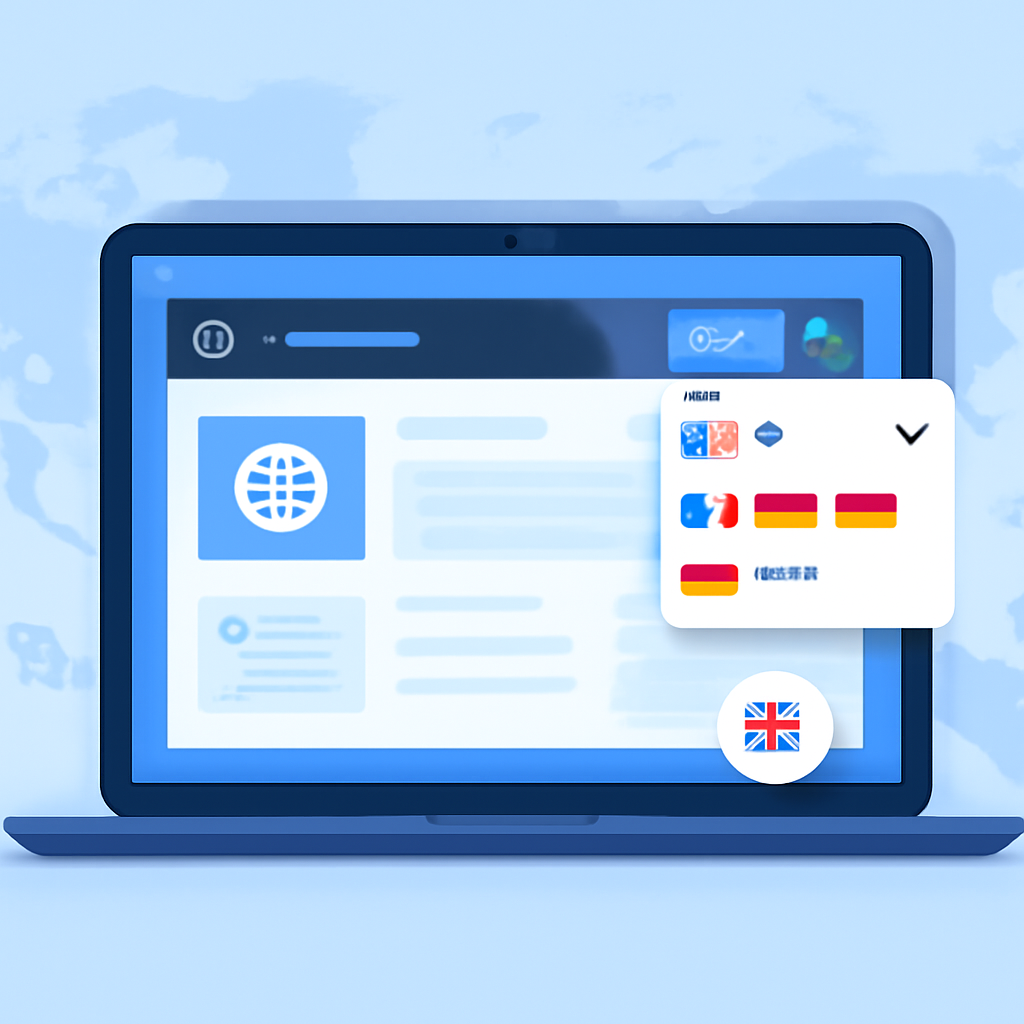
- Language switcher compatibility: The theme should display switchers clearly in headers, menus, sidebars, or mobile navigation.
- WooCommerce compatibility: Important for multilingual ecommerce stores that need translated product pages, carts, and checkout flows.
- Responsive design: Every language version should look polished on desktop, tablet, and mobile devices.
- Fast loading times: Lightweight themes improve user experience and reduce bounce rates across regions.
- Clean code structure: Well-coded themes are easier for plugins to integrate with and less likely to break during translation setup.
It is also worth looking for accessibility support, regular updates, and reliable documentation. These factors reduce technical issues and make long-term multilingual site management easier.
Why Theme Quality Impacts SEO and Conversions
Theme quality has a direct effect on multilingual SEO and business performance. Search engines favor websites that load quickly, display properly on mobile devices, and offer clean navigation. If a theme creates slow pages, broken layouts, or confusing language menus, rankings and conversions can suffer.
From an SEO perspective, a good theme should support:
- Fast performance for better Core Web Vitals and lower abandonment rates.
- Mobile usability so translated pages remain easy to read and navigate.
- Clear heading structure and schema support to help search engines understand page content.
- Stable navigation across languages to improve crawlability and user flow.
From a conversion standpoint, trust is equally important. Visitors are more likely to contact a company or complete a purchase when the site feels professional in their native language. A well-designed theme helps preserve that trust with consistent branding, readable typography, intuitive menus, and smooth checkout or lead-generation paths.
In short, the right translation WordPress theme is not just a design decision. It is a strategic foundation for international growth, stronger SEO, and better results from multilingual traffic.
Best Translation WordPress Theme Types for Different Use Cases
Choosing the right translation wordpress theme starts with understanding how different theme categories support different goals. A multilingual site for a law firm will need very different features than an international online store or a creative portfolio. While most modern themes claim to be translation-ready, the best options go further by offering clean compatibility with multilingual plugins, flexible layouts, and strong usability across languages, regions, and devices.
To narrow your choices faster, it helps to group themes by use case. Below are the main translation-friendly theme types and the features that matter most for each one.
Business and Corporate Themes
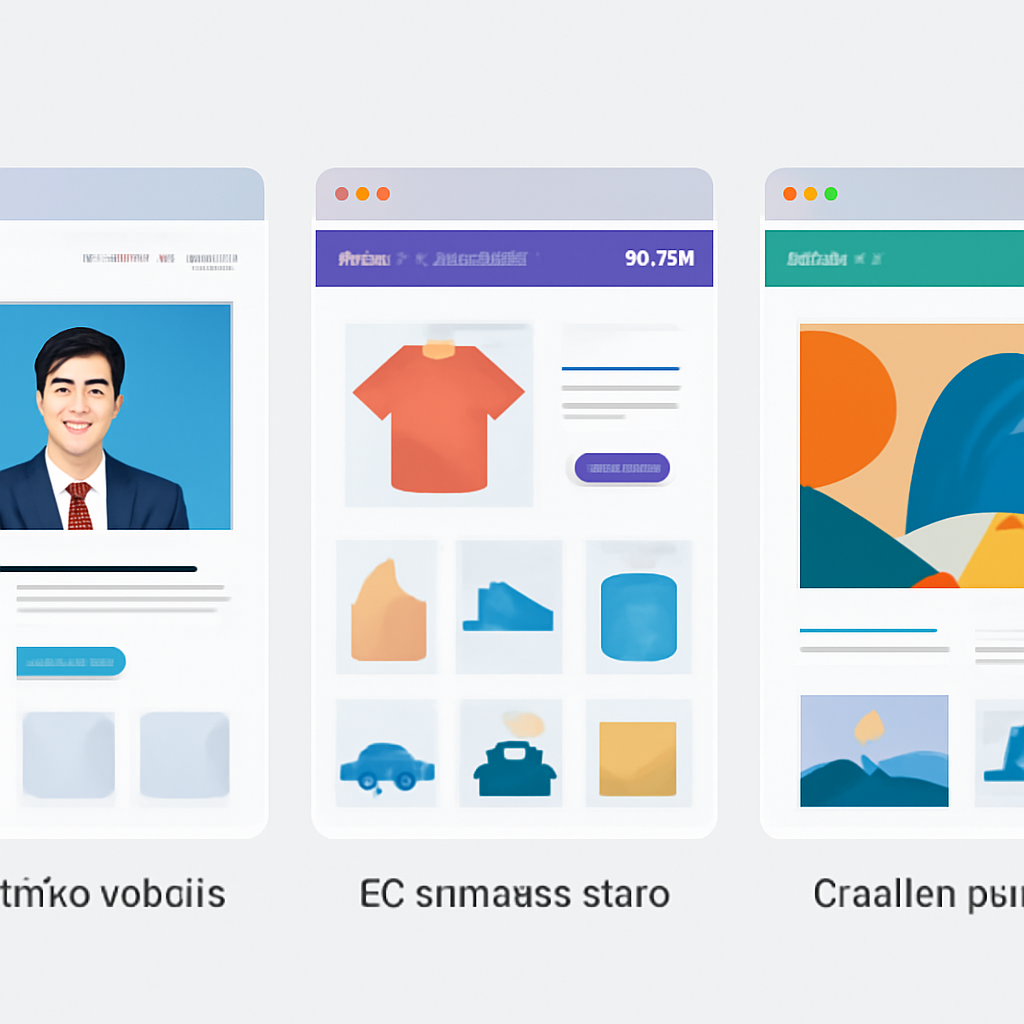
Business and corporate themes are designed for companies that need a polished online presence, clear messaging, and easy navigation for global visitors. A strong translation wordpress theme in this category should make it simple to present services, company information, and trust-building content in multiple languages without breaking the design or user experience.
What to expect from multilingual business themes:
- Flexible homepages with drag-and-drop sections for hero banners, value propositions, testimonials, and calls to action.
- Dedicated service pages that can be translated cleanly for region-specific offerings.
- Team and leadership sections to showcase staff, bios, and office locations for international credibility.
- Case study and testimonial layouts that support localized social proof.
- Strong plugin compatibility with tools like WPML, Polylang, and multilingual SEO plugins.
International brands should also look for localization support beyond basic text translation. This includes:
- Date and time formatting for different regions
- RTL language support for languages such as Arabic or Hebrew
- Typography options that work well across language sets
- Header and menu layouts that can handle longer translated text
For service-based companies, these features help maintain a professional image while making the site easier to manage at scale.
WooCommerce Translation Themes
If your main goal is selling products internationally, a WooCommerce-focused translation wordpress theme is usually the best fit. Ecommerce sites have more moving parts than standard business websites, so translation support needs to extend across product discovery, cart functionality, checkout, and post-purchase communication.
The most important ecommerce features include:
- Multilingual product pages with support for translated titles, descriptions, attributes, and variation labels.
- Currency tools that let shoppers view prices in local currencies.
- Translated cart and checkout flows to reduce friction and improve conversion rates.
- Shop plugin compatibility with WooCommerce extensions for payments, shipping, subscriptions, and product filters.
- Fast performance so multilingual content does not slow down category pages or product searches.
A good ecommerce theme should also support location-aware shopping experiences. That may include region-specific promotions, translated trust badges, and mobile-friendly product layouts for global customers. Since online stores often rely heavily on SEO, clean schema markup and multilingual metadata support are also valuable when comparing theme options.
In short, if you run an online shop, choose a theme that treats translation as part of the buying journey, not just a content add-on.
Agency, Blog, and Portfolio Themes
Agencies, publishers, freelancers, and creatives often need a multilingual site that balances branding, storytelling, and discoverability. In this category, the ideal translation wordpress theme should make content presentation feel effortless across languages while preserving visual impact.
Key features to prioritize include:
- Portfolio and project templates for showcasing work to international clients
- Blog layouts that support translated posts, categories, tags, and author pages
- Flexible typography and spacing to keep designs readable in different languages
- Strong media support for video, galleries, and visual storytelling
- Simple navigation tools including language switchers and clear menu structures
For agencies, service pages and lead-generation elements are especially important. For blogs and publishers, multilingual search, archive pages, and readable article templates matter more. For freelancers and creative professionals, a visually refined portfolio with clean translation support can make a major difference when targeting clients in multiple markets.
The best themes in this group combine style with practicality, giving you enough design freedom to stand out while still supporting multilingual SEO, content management, and a consistent user experience across every language version of the site.
How to Evaluate a Translation WordPress Theme Before You Buy
Choosing the right translation wordpress theme is about more than visual design. A theme may look impressive in a demo, but if it struggles with multilingual plugins, loads slowly, or offers weak support, it can create expensive problems later. Before you commit to a premium purchase or install a free option, use a practical checklist to confirm that the theme is ready for multilingual content, scalable performance, and long-term maintenance.
Check Plugin Compatibility and Translation Support
The first step is verifying whether the theme truly supports multilingual functionality rather than simply claiming it is “translation ready.” In WordPress, “translation ready” can sometimes mean the theme includes localization files, but that does not always guarantee smooth integration with multilingual plugins.
Review the theme documentation, changelog, FAQ, and live demo to confirm compatibility with the tools you plan to use. A reliable translation wordpress theme should work well with popular plugins such as:
- WPML for advanced multilingual site management
- Polylang for flexible language switching
- TranslatePress for visual front-end translation
- WooCommerce if you plan to run a multilingual store
- Page builders like Elementor, WPBakery, or Gutenberg blocks
- Multilingual SEO plugins that help manage hreflang tags, translated metadata, and language-specific URLs
When evaluating a theme, check for these signs of strong translation support:
- Official plugin references in the product page or documentation
- Demo language switchers that show multilingual navigation in action
- Translated demo content or examples of multilingual layouts
- Support articles explaining setup with WPML, Polylang, or TranslatePress
- User reviews mentioning successful multilingual projects
If possible, test the demo carefully. Look at menus, product pages, blog archives, headers, and footers to see whether language switching feels seamless and whether layouts remain consistent across translated pages.
Review Speed, Mobile Experience, and Code Quality
A multilingual website often includes more content, more scripts, and more plugin activity, so performance matters even more. A strong translation wordpress theme should be lightweight, responsive, and built with clean code standards.
Start by reviewing speed and usability indicators:
- Core Web Vitals: Check demo performance with PageSpeed Insights or GTmetrix
- Mobile responsiveness: Test menus, sliders, forms, and translated text on smaller screens
- Accessibility: Look for readable typography, keyboard navigation, alt text support, and proper contrast
- Theme updates: Confirm the theme is maintained regularly and compatible with the latest WordPress version
- Lightweight design: Avoid themes overloaded with unnecessary animations or bundled features you will not use
Also pay attention to code quality signals. Themes that follow WordPress coding standards tend to be more stable with plugins and easier to maintain. Review update history, compatibility notes, and developer reputation. If a theme has not been updated in many months, that may be a warning sign for security, plugin conflicts, and future multilingual issues.
Compare Licensing, Support, and Demo Content
Price alone should not drive your decision. Some theme marketplaces offer low initial pricing but require annual renewals for updates and support. Others include lifetime access or tiered plans. Compare the licensing terms carefully before buying.
Focus on these evaluation points:
- Pricing model: One-time payment, annual subscription, or agency license
- Renewal terms: Whether updates and support continue after the first year
- Support quality: Response times, ticket systems, public forums, and user feedback
- Demo imports: Availability of importable starter sites that can speed up multilingual setup
- Documentation: Step-by-step guides for installation, translation settings, and plugin integration
Good demo content can save hours during setup, especially when building multilingual homepages, service pages, or online stores. Clear documentation is equally important because it reduces trial and error when connecting your theme with translation plugins and SEO tools.
In short, the best translation wordpress theme is one that combines proven compatibility, strong performance, and dependable support. A few minutes spent reviewing these details before you buy can help you avoid compatibility problems, slow page speed, and unnecessary migration work later.
Recommended Translation WordPress Theme Options and Selection Tips
Choosing the right translation WordPress theme is less about finding a single “best” template and more about matching theme capabilities to business goals, content structure, and localization requirements. For multilingual websites, the most effective option is usually the one that works smoothly with your preferred translation plugin, supports flexible page building, and can scale as you add languages, products, or regional content. Instead of relying on a basic list of theme names, it is more useful to compare theme categories and determine which type best fits your project.
Popular Multipurpose Themes with Strong Translation Support
Well-known multipurpose themes are often the first choice for multilingual websites because they combine design flexibility with mature ecosystems. Themes in this category are typically built to support a wide range of industries, from corporate websites and agencies to eCommerce stores and SaaS brands. That broad use case often translates into stronger compatibility with major multilingual tools such as WPML, Polylang, TranslatePress, and WooCommerce extensions.
Buyers often prefer a multipurpose translation WordPress theme when they need:
- Large template libraries for quickly launching localized landing pages, service pages, blogs, and product layouts
- Flexible customization through theme options, global style controls, and drag-and-drop builders
- Broad plugin compatibility with SEO, forms, caching, membership, and multilingual plugins
- Long-term vendor support due to bigger user bases and more frequent updates
This route is especially useful for agencies, growing businesses, and teams that expect site requirements to change over time. If you may later add new service categories, country-specific pages, or multilingual online sales, a multipurpose theme usually provides enough structural flexibility to adapt without a redesign. The tradeoff is that some multipurpose themes include more features than smaller sites actually need, so performance tuning and selective feature use are important.
When to Choose a Niche Theme Instead
A niche theme can be the smarter choice when your website serves a specific industry with specialized content and conversion paths. In these cases, a general-purpose theme may require too much customization, while an industry-specific option already includes layouts, widgets, and page sections aligned with user expectations.
Consider a niche translation-ready theme when you need built-in functionality for a clearly defined business model, such as:
- Hotels and travel properties needing booking-focused templates, room pages, seasonal offers, and location content in multiple languages
- Law firms needing attorney profiles, practice area pages, consultation forms, and trust-building design patterns
- SaaS companies needing pricing tables, feature comparison pages, integrations, and multilingual onboarding content
- Online stores needing product filtering, variation support, region-specific promotions, and WooCommerce-ready design
A niche theme is often best for buyers who want to reduce setup time and launch with less design decision-making. It can also help preserve consistency across localized pages because the content structure is already tailored to the business type. However, before choosing one, confirm that its translation support is not just a marketing checkbox. Review whether custom post types, theme options, forms, and dynamic elements work properly with your multilingual plugin.
A Simple Shortlist Process for Final Decision-Making
To narrow down the right translation WordPress theme, use a practical shortlist process instead of comparing dozens of demos at random.
- Set your budget range. Include not only the theme price, but also plugin licenses, support renewals, and possible premium add-ons for multilingual features.
- Define the site’s primary purpose. Decide whether the site is mainly for lead generation, content publishing, bookings, software sales, or eCommerce. This quickly separates multipurpose and niche options.
- List your plugin stack. Note your translation plugin, SEO tools, page builder, form plugin, and WooCommerce needs. Then verify compatibility in theme documentation.
- Map your localization needs. Identify required languages, right-to-left support, language switcher preferences, regional URLs, and whether you need manual, automatic, or hybrid translation workflows.
- Check scalability. Ask whether the theme can still perform well if you double your page count, add more languages, or introduce region-specific templates later.
- Create a final shortlist of three options. Compare them against the same criteria: speed, translation readiness, design fit, support quality, and ease of maintenance.
This approach keeps the decision commercially grounded. The best choice is the theme that aligns with your operational reality today while still supporting multilingual growth tomorrow.